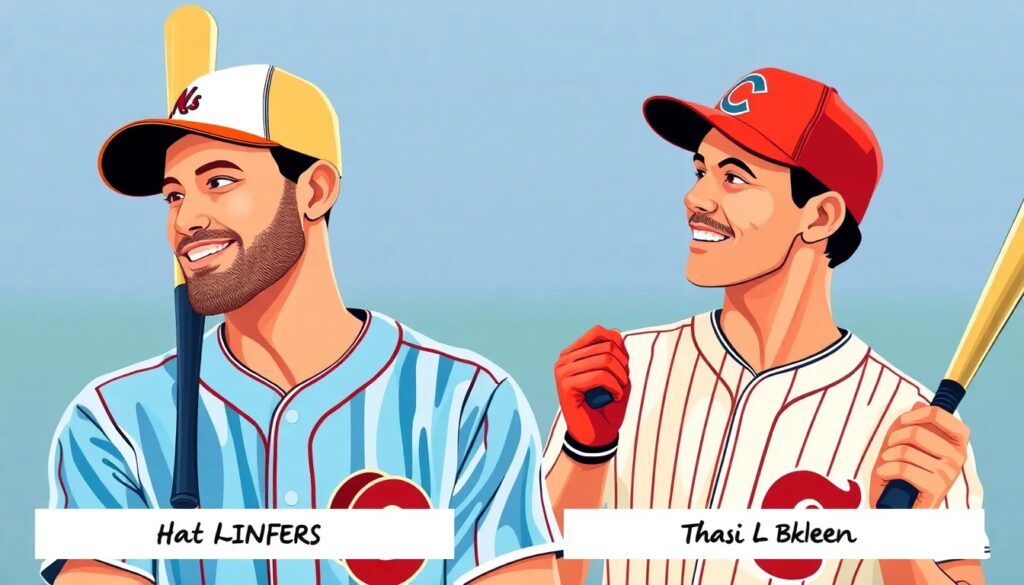
Baseball cards have long been a staple of American culture, but the significance of gay baseball cards transcends mere collectibles. These cards narrate stories of athletes who have bravely embraced their identities, shaping the landscape of sports and representation. In this article, we will explore the world of gay baseball cards, focusing on their historical context and the impact of players like Glenn Burke.
- What are gay baseball cards?
- Why are gay baseball cards significant in American culture?
- Who was Glenn Burke and what is his legacy?
- What are the stats of Glenn Burke?
- What impact did Glenn Burke have on baseball as an openly gay player?
- How did Glenn Burke's high five become iconic?
- What other notable gay baseball players have emerged?
- Related questions about gay baseball cards and players
What are gay baseball cards?
Gay baseball cards are a unique subset of baseball memorabilia that celebrate the achievements and contributions of openly gay players. While most baseball cards feature players' statistics and accomplishments, gay baseball cards also encompass the stories of these athletes, reflecting their journeys within and beyond the sport.
These cards often include not just the physical representations of players but also the cultural narratives that help to advocate for equality and representation. Collectors are increasingly recognizing the significance of gay baseball cards for collectors, as they represent more than just a player's stats; they embody a larger movement for inclusion.
- Notable players include Glenn Burke and his contributions to the game.
- Gay baseball cards often feature rare items that tell a deeper story.
- Collectors value these cards for their cultural and historical significance.
Why are gay baseball cards significant in American culture?
The significance of gay baseball cards in American culture cannot be overstated. They serve as a reminder of the struggles and victories of LGBTQ+ athletes who have fought for acceptance in a traditionally conservative sport. By collecting these cards, enthusiasts not only preserve history but also foster discussions about equality and representation.
These cards highlight the evolution of gay representation in baseball. Where once there was silence, now there is visibility, encouraging future generations of players to be authentic. Gay baseball cards have become important artifacts that encapsulate both American history and the ongoing journey toward inclusivity.
Who was Glenn Burke and what is his legacy?
Glenn Burke was a groundbreaking figure in Major League Baseball (MLB) as the first openly gay player. His legacy extends beyond the game itself; he became an emblem of courage, especially in an era when many felt compelled to hide their identities. Burke played for the Los Angeles Dodgers and the Oakland Athletics, leaving a profound impact on the sport.
His story not only resonates with fans of baseball but also serves as an inspiration for the LGBTQ+ community. Burke faced many challenges, including discrimination and personal struggles, yet he remained a pioneer. The historical context of gay baseball players during his time adds depth to his legacy and helps to illustrate the journey of acceptance in sports.
What are the stats of Glenn Burke?
Glenn Burke's statistics may not define him in the same way as some of his contemporaries, but they tell a story of resilience and talent. He played a total of 212 games in the MLB, with a batting average of .237. While his numbers might not reflect a superstar, they symbolize something far greater.
Burke's impact was felt not just through his performance on the field but also through his unforgettable moments, such as the iconic high five. His stats, while modest, serve as a reminder that legacy often transcends numbers and records in favor of the stories and lives behind them.
What impact did Glenn Burke have on baseball as an openly gay player?
Glenn Burke's courage to come out while playing in the MLB paved the way for future generations of athletes. His decision to live openly as a gay man challenged the norms of the sport and sparked a conversation around acceptance and identity. Burke's bravery encouraged others to embrace their truths, transforming the culture of baseball in the process.
Furthermore, his legacy has inspired initiatives within the MLB to promote inclusion and support for LGBTQ+ players. Burke's story exemplifies the power of visibility and the importance of representation in a sport that continues to evolve.
How did Glenn Burke's high five become iconic?
Glenn Burke's high five is not only a memorable moment in baseball history but also a symbol of joy and camaraderie. The story goes that Burke created this celebratory gesture while playing for the Dodgers in 1977, and it quickly caught on, becoming a staple of sports celebrations.
This simple act transcended the game, evolving into a universal symbol of victory and connection. The cultural significance of Burke's high five resonates far beyond baseball, embodying the spirit of community and acceptance that he championed throughout his career.
What other notable gay baseball players have emerged?
In addition to Glenn Burke, several other notable gay baseball players have emerged in recent years. These athletes have played pivotal roles in reshaping the narrative around sexual orientation in sports.
- Jason Collins – While primarily known as an NBA player, Collins made headlines as an openly gay professional athlete.
- Mark Bingham – A rugby player, Bingham was also an advocate for LGBTQ+ rights and left a lasting impact.
- Others, like Billy Bean, have worked with the MLB to promote acceptance and equality.
The increasing visibility of gay players in baseball signifies a shift toward a more inclusive and accepting sport. Collectors and fans play a crucial role in this narrative, as they celebrate the achievements and journeys of these athletes through memorabilia like gay baseball cards.
Are there any openly gay MLB players?
Yes, there are openly gay players in MLB today. Many current athletes are advocating for acceptance and representation within the sport. Their visibility continues to inspire future generations to be true to themselves.
Who was the first MLB player to come out?
The first MLB player to come out publicly was Glenn Burke in the late 1970s. His courageous decision opened doors for others in the sport, making him a pivotal figure in the fight for LGBTQ+ rights and acceptance in baseball.
In conclusion, gay baseball cards serve as more than mere collectibles; they are historical artifacts that reflect the struggles and achievements of players like Glenn Burke. Collecting these items is not only a hobby but also a way to honor the legacy of those who paved the way for a more inclusive future in sports.
If you’re interested in exploring or even generating your own gay baseball cards, visit the Gay Card Generator and join the celebration of diversity in sports!
Leave a Reply